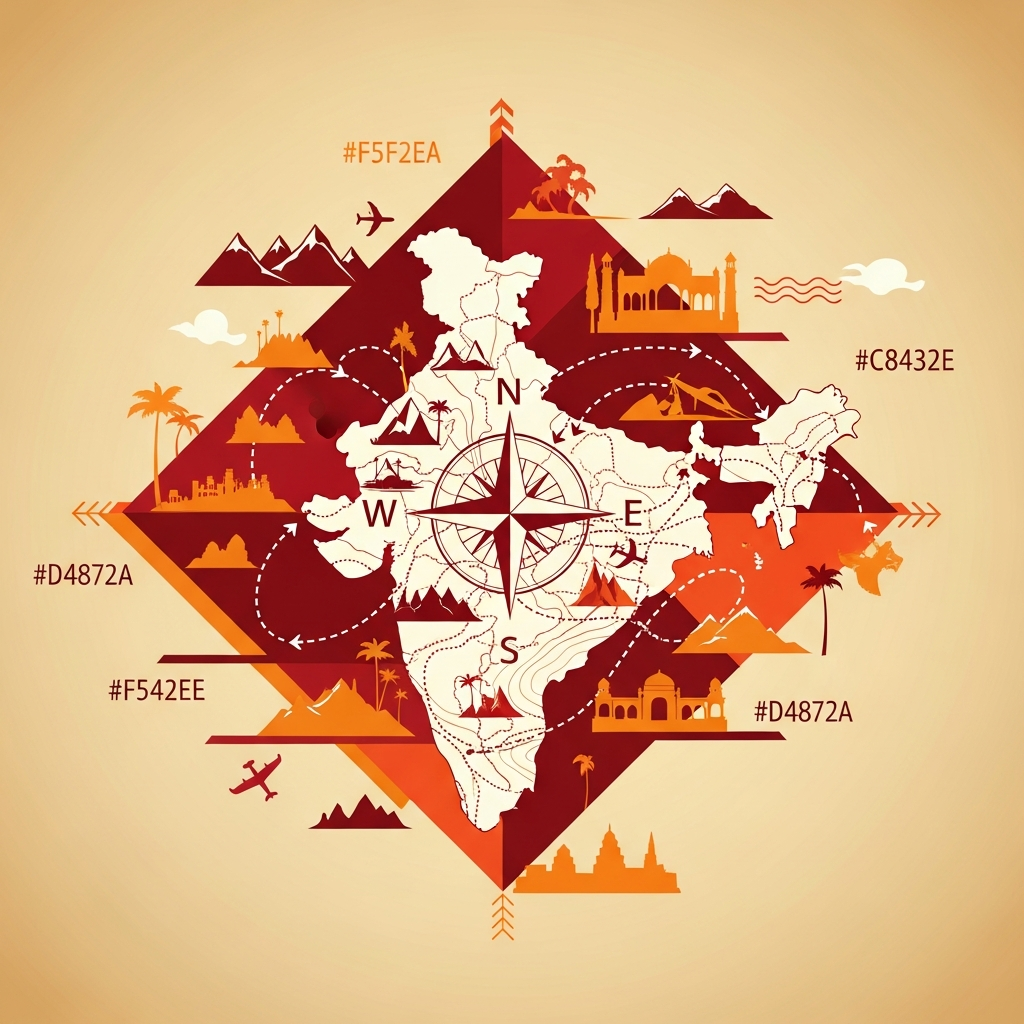
India's tourism industry is projected to hit $512 billion by 2028. State tourism boards are sitting on some of the most visually stunning content opportunities on the planet — from the backwaters of Kerala to the monasteries of Ladakh, from Rajasthan's desert festivals to Meghalaya's living root bridges.
Yet most tourism marketing in India still looks like it did in 2015: glossy TV ads, generic taglines, and stock photography that could be anywhere. The audience has moved on. They're planning trips based on Instagram Reels, YouTube vlogs, and creator recommendations.
Why Traditional Tourism Advertising Is Losing Ground
A 2025 Booking.com survey found that 67% of Indian millennials and Gen Z chose their last domestic destination based on social media content they discovered organically — not paid advertising.
Traditional tourism campaigns suffer from three structural problems: they're generic (every state's campaign tells the same story), they're one-directional (a TV spot can't answer "but where do I actually stay?"), and they have no trackable conversion path. Creator marketing solves all three — when done correctly.
The Tourism Creator Marketing Framework
1. Destination Positioning, Not Destination Promotion
Every destination has a positioning problem, not an awareness problem. People know Goa exists. They don't know why they should visit Goa in monsoon, or that South Goa has a completely different character than North Goa. The creator's job isn't to say "come here" — it's to answer: come here for THIS reason, at THIS time, if you're THIS kind of traveller.
2. Geographic Depth Over Geographic Breadth
Flying creators to cover Jaipur, Udaipur, and Jodhpur in one trip produces surface-level content that looks like every other Rajasthan reel. The better approach: partner with creators who can go deep into one geography. A week in Bundi produces content that no competitor can replicate. Exif Media's network covers every Indian state — including Arunachal Pradesh, Chhattisgarh, Lakshadweep, and Manipur. The first brand to own these geographies in the creator space wins a positioning advantage that's nearly impossible to replicate.
3. Content That Outlives the Campaign
Tourism content has a unique advantage: it stays relevant for years. This means tourism creator campaigns should be optimised not just for social reach but for search longevity — YouTube videos that rank for "best time to visit Spiti," blog posts that appear in Google's travel results. The brands that understand this distinction build permanent content assets rather than disposable social posts.
Formats That Work for Tourism Creator Campaigns
| Format | Platform | Best For |
|---|---|---|
| Long-form vlogs (8–15 min) | YouTube | High-intent trip planners; combines inspiration + logistics |
| Itinerary carousels | Most saved format for domestic travel; actionable and shareable | |
| Reels and Shorts | Instagram / YouTube | Discovery and FOMO — puts destinations on the radar |
| Photo essays | Premium destinations, luxury properties, heritage experiences |
How Tourism Boards Should Select Creators
The selection framework should prioritise three factors:
- Geographic credibility — Does this creator have a body of work demonstrating genuine exploration across India, not just resort stays?
- Audience alignment — Does their audience match the target traveller profile? A creator whose audience is 18–22 year old students is wrong for a luxury Ayurveda resort but perfect for a backpacking trail.
- Content longevity potential — Does this creator produce content with a shelf life? A travel guide will still be discovered two years later.
Cultural fit over follower count isn't just a philosophy for brand campaigns — it's especially critical for tourism, where authenticity is the entire currency.
Measuring ROI for Tourism Creator Campaigns
Tourism has a unique measurement challenge: the conversion (an actual trip) happens weeks or months after content consumption. A more effective measurement framework includes:
- Search lift — Google Trends data for the destination name before, during, and after the campaign
- Website traffic and itinerary downloads — referral traffic from creator content to tourism board pages
- Hotel and transport partner data — coordinate with OTAs to compare booking volumes in campaign periods vs. baseline
- Content asset value — creator campaigns often produce content worth 3–5x the campaign fee in production value alone
- UGC cascade — measure whether creator content sparked travellers recreating shots or referencing recommendations
How much does influencer marketing cost for tourism brands in India?
A single-creator, single-destination campaign with a mid-tier travel creator (50K–200K followers) typically ranges from ₹2–5 lakhs including content production. Multi-creator destination campaigns for state tourism boards generally start at ₹15–25 lakhs for meaningful coverage.
How long does a tourism influencer campaign take to show results?
Social metrics are visible within the first week. Search lift and website traffic increases appear within 2–4 weeks. Actual travel intent conversion (bookings, footfall) plays out over 1–3 months depending on the destination and seasonality.
Should tourism boards work with local creators or bring creators from metros?
Both serve different purposes. Local creators bring authenticity, language capabilities, and ongoing coverage. Metro-based creators bring larger audiences and cross-geographic discovery. The ideal campaign uses both — local creators for depth, metro creators for initial awareness.
What platforms work best for tourism creator marketing in India?
YouTube and Instagram are the primary platforms. YouTube drives the highest intent (people actively planning trips), while Instagram drives discovery and aspiration. Pinterest is an underutilised secondary platform that performs well for travel content with strong longevity.
How is influencer marketing for tourism different from other industries?
Tourism content has a much longer shelf life than typical brand campaigns — a destination guide stays relevant for years. The conversion cycle is also longer (weeks to months), requiring different measurement frameworks. Authenticity matters more because the audience is making a high-commitment decision.
India's Tourism Stories Deserve Better Coverage
Exif Media is India's largest travel and photography creator community. With 120+ creators across every Indian state, we help tourism boards and travel brands build destination stories that drive real traveller intent.
Discuss Your Destination's Strategy